

PRE/POST CARE FOR PERMANENT MAKEUP
The Path to Perfection: Care & Longevity
To achieve the signature Jan Beauty Brows result, your skin must be in its healthiest state before we begin, and protected with care while it heals. Please follow these guidelines to ensure maximum pigment retention and a beautiful, soft finish.
The Jan Beauty Brows Pre-Care Protocol
At Jan Beauty Brows, we believe that a perfect result begins long before you enter the studio. Following these PMU pre-care instructions is vital for ensuring optimal pigment retention and skin healing.
-
Regardless of which permanent makeup treatment you choose, these rules apply to ensure your skin is prepared for a comfortable and safe procedure.
Avoid Blood Thinners (48 Hours recommended ): Do not consume alcohol or caffeine (including tea and decaf). Refrain from Aspirin, Ibuprofen, Niacin, Vitamin E, Fish Oil, and "Hair, Skin, Nail" supplements. This prevents excess bleeding, which can push the pigment out of the skin.
Sun Safety (1 -2 Weeks ): Avoid sunbeds and direct sun exposure. I cannot perform cosmetic tattooing on sun-damaged or peeling skin.
Skin Rejuvenation (4 Weeks): To ensure skin integrity, avoid chemical peels, microdermabrasion, or professional facials for at least one month prior to your appointment.
-
Retinol & Acids: Discontinue Retin-A (4 weeks prior) and AHA products (2 weeks prior) near the brow area. These thin the skin and affect how the pigment settles.
Injectables: Botox and forehead fillers must be done at least one month prior. This ensures your facial muscles are in their natural position during the mapping of your bespoke brow design.
Natural Growth: Please stop waxing or threading one week prior. Seeing your natural hair growth allows me to create the most realistic feather touch or powder brow.
-
Lash Serums: You must stop using all eyelash growth serums at least 6 weeks before your eyeliner tattoo. These products increase blood flow to the lids, which can cause bruising.
Contact Lenses: Please wear glasses to your appointment, as contacts cannot be worn during or immediately after the procedure.
-
Cold Sore Protocol: If you have a history of cold sores, please contact your GP for an anti-viral prescription. Lip blush tattoos can trigger a breakout, which will affect your healed result.
Smooth Canvas: Hydrate your lips daily with a high-quality balm for one week prior. I cannot tattoo dry or cracked lips.on
The Healing Journey: Post-Care & Longevit
The success of your cosmetic tattoo depends 50% on my precision and 50% on your commitment to the healing process. Following these instructions ensures the best pigment retention and prevents infection.
The Golden Rule: The "Dry Heal" Method
At Jan Beauty Brows, I advocate for a controlled healing environment. For the first 5 to 7 days, your primary goal is to keep the treated area clean, protected, and free from irritation.
-
Keep it Clean: 2–3 hours after your appointment, gently blot the area with a damp, sterile cotton pad to remove any excess lymph (clear fluid). This prevents heavy scabbing.
Hands Off: Never pick, scratch, or peel the area. This can pull the pigment out prematurely and cause scarring or "patchy" results.
Stay Dry: Avoid getting the area wet in the shower. No swimming, saunas, hot tubs, or steam rooms for 10 days.
Skip the Gym: Avoid heavy sweating for 7 days. Sweat contains salt, which can blur the lines of your tattoo and fade the pigment.
No Makeup: Do not apply any makeup, creams, or sunscreen to the treated area until it has fully flaked and healed (approximately 10–14 days).
-
Nano, Powder, or Feather Touch
Day 1: Immediate Aftercare (First 24 Hours)
Your brows may feel tight, slightly swollen, tender, or warm — this is normal.
Gently blot excess lymph with clean tissue or cotton as instructed during the first few hours.
Do NOT apply ointment, creams, or oils unless specifically advised.
Keep the area clean, dry, and untouched.
Avoid touching, rubbing, or wiping brows unnecessarily.
Sleep on your back if possible to avoid friction.
Days 2–7: Scabbing & Dry Healing Phase
Brows will begin to darken and form light scabs or flakes.
Do NOT pick, scratch, rub, or exfoliate — premature scab removal will cause patchy pigment loss.
Avoid water, steam, sweating, swimming, and saunas.
Avoid makeup, skincare, sunscreen, or cleansers on the brow area.
Mild itchiness is normal — do not scratch.
Days 7–10: Flaking & Shedding Phase
Scabs will naturally fall off on their own.
Brows may appear lighter, uneven, or patchy once flakes shed — this is normal.
Skin underneath may look pink or sensitive.
Continue avoiding active skincare ingredients.
Days 10–21: Ghosting Phase
Brows may appear very light or partially faded.
This phase is temporary — pigment is settling beneath the skin.
Many clients worry during this stage; reassurance is important.
Weeks 4–6: Color Returning & Stabilising
Pigment gradually reappears and evens out.
Brows soften by approximately 30–50% from the initial color.
Skin texture normalises and results appear more natural.
Weeks 6–8: Final Results & Touch-Up
Eyebrows are now considered fully healed.
A touch-up appointment is recommended to perfect shape, symmetry, and pigment retention.
Touch-ups significantly extend the longevity of your eyebrow tattoo.
👉 Book your touch-up or review appointment to achieve the best and longest-lasting results.
Important Aftercare Rules
Avoid Retin-A, AHA, BHA, glycolic acids, exfoliants, and laser treatments on the brow area long-term.
Always apply SPF to healed brows when exposed to sunlight to prevent fading.
Excessive sun exposure, sweating, oily skin, and active skincare can reduce pigment retention.
Results vary based on skin type, immune response, lifestyle, and compliance with aftercare.
-
Day 1: Immediate Aftercare (First 24 Hours)
Mild swelling, redness, tenderness, or watery eyes are normal, especially for upper eyeliner.
Apply a cold compress (wrapped in clean tissue) for 5–10 minutes if swelling occurs.
Gently blot any moisture with clean tissue — do not rub.
Keep the area clean and dry.
Avoid touching, stretching, or wiping the eye area.
Sleep on your back if possible, with your head slightly elevated.
Days 2–5: Dry Healing & Sensitivity Phase
Eyeliner may appear darker, thicker, or slightly uneven — this is normal during healing.
Light flaking may occur along the lash line.
Do NOT apply ointments, creams, oils, or eye makeup unless specifically advised.
Avoid water, steam, swimming, saunas, and heavy sweating.
Avoid crying, rubbing eyes, or excessive blinking where possible.
Days 5–10: Flaking & Color Lightening
Any flakes will shed naturally.
Eyeliner color may appear lighter or patchy once flaking finishes — this is normal.
Skin may feel slightly dry or tight.
Do not pick or rub the lash line.
Days 10–21: Ghosting Phase
Pigment may appear very light or partially faded.
This is a normal stage where color is settling beneath the skin.
Final color has not yet appeared — patience is key.
Weeks 4–6: Color Returning & Stabilising
Eyeliner pigment gradually returns and evens out.
Color softens and becomes more natural.
Any residual sensitivity should fully resolve.
Weeks 6–8: Final Results & Touch-Up
Eyeliner tattoo is now fully healed.
A touch-up appointment is recommended to perfect thickness, symmetry, and color retention.
Touch-ups ensure the most defined and longest-lasting eyeliner results.
👉 Book your check-up or touch-up appointment to complete your eyeliner tattoo.
Important Eyeliner Tattoo Aftercare Rules
Avoid eye makeup (mascara, eyeliner, eyeshadow) until fully healed.
Avoid Retin-A, AHA, BHA, glycolic acids, lash serums, and exfoliating products near the eyes long-term.
Avoid lash lifts, lash extensions, and laser treatments around the eyes during healing.
Once healed, protect the area from excessive sun exposure to prevent fading.
Healing time and pigment retention vary based on skin type, lifestyle, and aftercare compliance.
-
Day 1: Immediate Aftercare (First 24 Hours)
Your lips may feel tight, dry, swollen, or slightly numb — this is completely normal.
Gently cleanse the lips by dabbing with clean cotton soaked in cool, filtered water, then blot dry.
Apply the recommended healing ointment from your aftercare kit using a clean cotton tip.
Reapply ointment as directed to prevent excessive dryness.
Drink through a straw.
Avoid hot, spicy, salty foods, alcohol, and caffeine.
Prevent food, saliva, or toothpaste from touching the lips.
Light lip movement is encouraged to reduce stiffness.
Mild oozing, tenderness, and swelling are normal during this stage.
Days 2–5: Peeling & Initial Healing Phase
Continue gentle cleansing and applying the healing product as instructed.
Swelling and tenderness should gradually reduce.
Lips may begin to flake or peel — allow this to happen naturally.
Do not pick, rub, or exfoliate the lips, as this can cause patchy color loss.
Avoid kissing, makeup on lips, and excessive moisture exposure.
Days 5–10: Color Lightening (Ghosting Phase)
After peeling, the lip color may appear much lighter or uneven — this is called color ghosting and is completely normal.
The pigment is settling beneath the skin and may temporarily seem faded.
Continue to keep lips hydrated with a gentle lip balm.
Days 14–30: Color Blooming Phase
Lip color will gradually return and deepen, appearing more even and natural.
Any residual dryness should resolve.
Lips should feel smooth and comfortable.
Avoid prolonged sun exposure and always use lip-safe SPF.
Weeks 6–8 (Day 45–60): Final Results & Touch-Up
The lip blush color has now fully stabilized.
A touch-up appointment is recommended to perfect shape, color intensity, and longevity.
Touch-ups help correct uneven healing and significantly extend pigment retention.
👉 Book your check-up or touch-up with us to achieve the best and longest-lasting results.
Important Notes on Healing & Maintenance
Healing timelines vary — factors include skin type, immune response, lifestyle, sun exposure, and skincare products used.
Pigment will soften by approximately 30–40% once healed.
Avoid Retin-A, Alpha Hydroxy Acids (AHA), glycolic acids, and exfoliating lip products on the treated area long-term.
Always protect your lip tattoo with a high-quality SPF lip balm, as UV exposure causes fading.
Permanent makeup appears more vibrant and lasts longer when lips are well moisturized.
Suitability & Safety: Who Can Receive Treatment?
At Jan Beauty Brows, your health and safety are our absolute priorities. While cosmetic tattooing is suitable for most, certain medical conditions or life stages can affect the healing process or safety of the procedure.
Please review the following list of contraindications before booking. If any of these apply to you, please contact the studio in Newcastle for a confidential discussion.
Absolute Contraindications
Pregnancy & Breastfeeding: To ensure the safety of both mother and baby, I do not perform PMU during pregnancy or while nursing.
Keloid Scarring: If you are prone to keloid (raised) scarring, cosmetic tattooing may not be suitable.
Transmittable Blood Conditions: Such as Hepatitis or HIV/AIDS.
Major Heart Conditions: Or use of a pacemaker.
Temporary Contraindications (Requires a Waiting Period)
Accutane / Roaccutane: You must be off this medication for at least 12 months before any PMU procedure, as it severely thins the skin and affects healing.
Active Skin Conditions: Including Eczema, Psoriasis, or Dermatitis in the treatment area.
Chemotherapy: require a minimum of 6 months post-treatment and a doctor’s clearance.
Recent Surgery: Please allow at least 4 weeks for the body to heal after any major surgery.
Sunburn: We must wait until the skin has fully regenerated.
Requires Doctor's Clearance:
Diabetes: If you are insulin-dependent, healing can be slower. a GP's note to ensure your condition is managed.
Autoimmune Disorders: Such as Lupus or Alopecia.
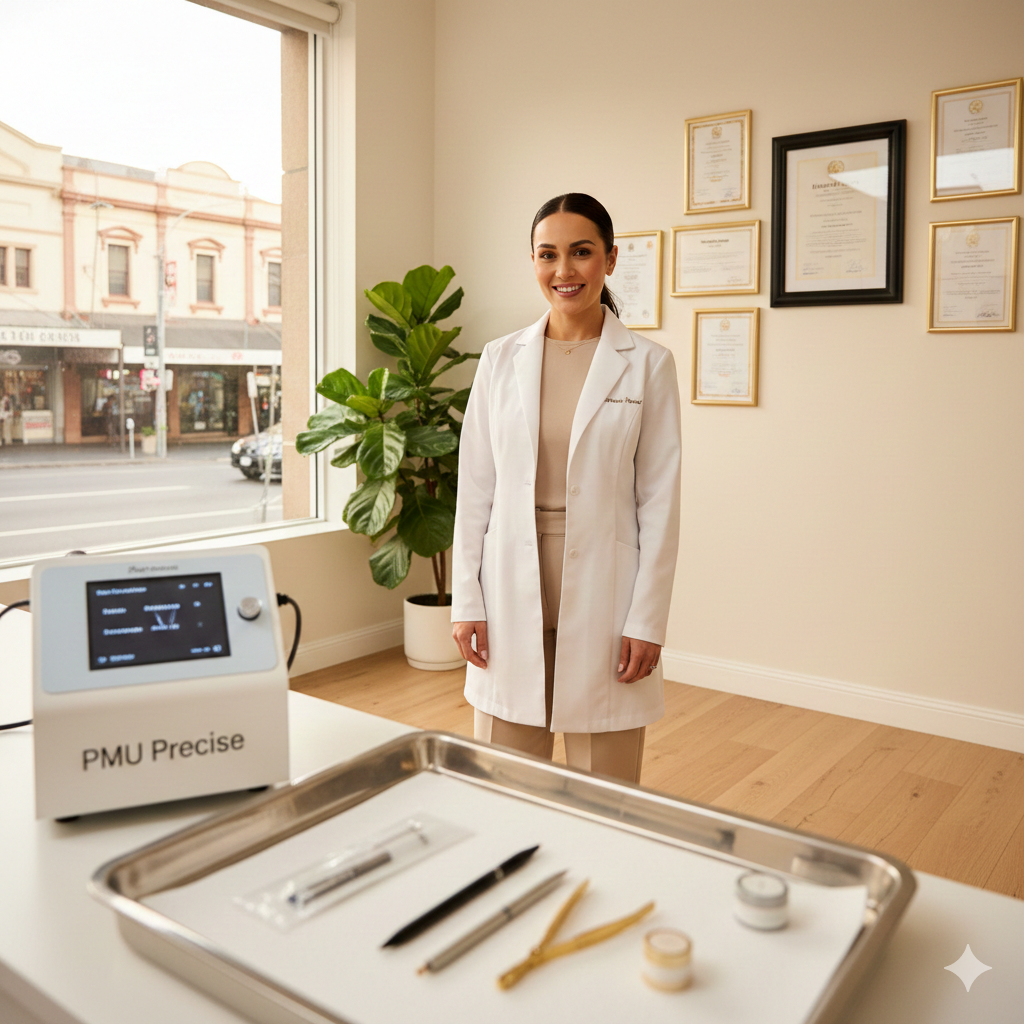
Masterful artistry is only half the story—the rest is in the care we take together. Let’s design a look that simplifies your life and enhances your natural radiance.
Invest in Your Confidence.